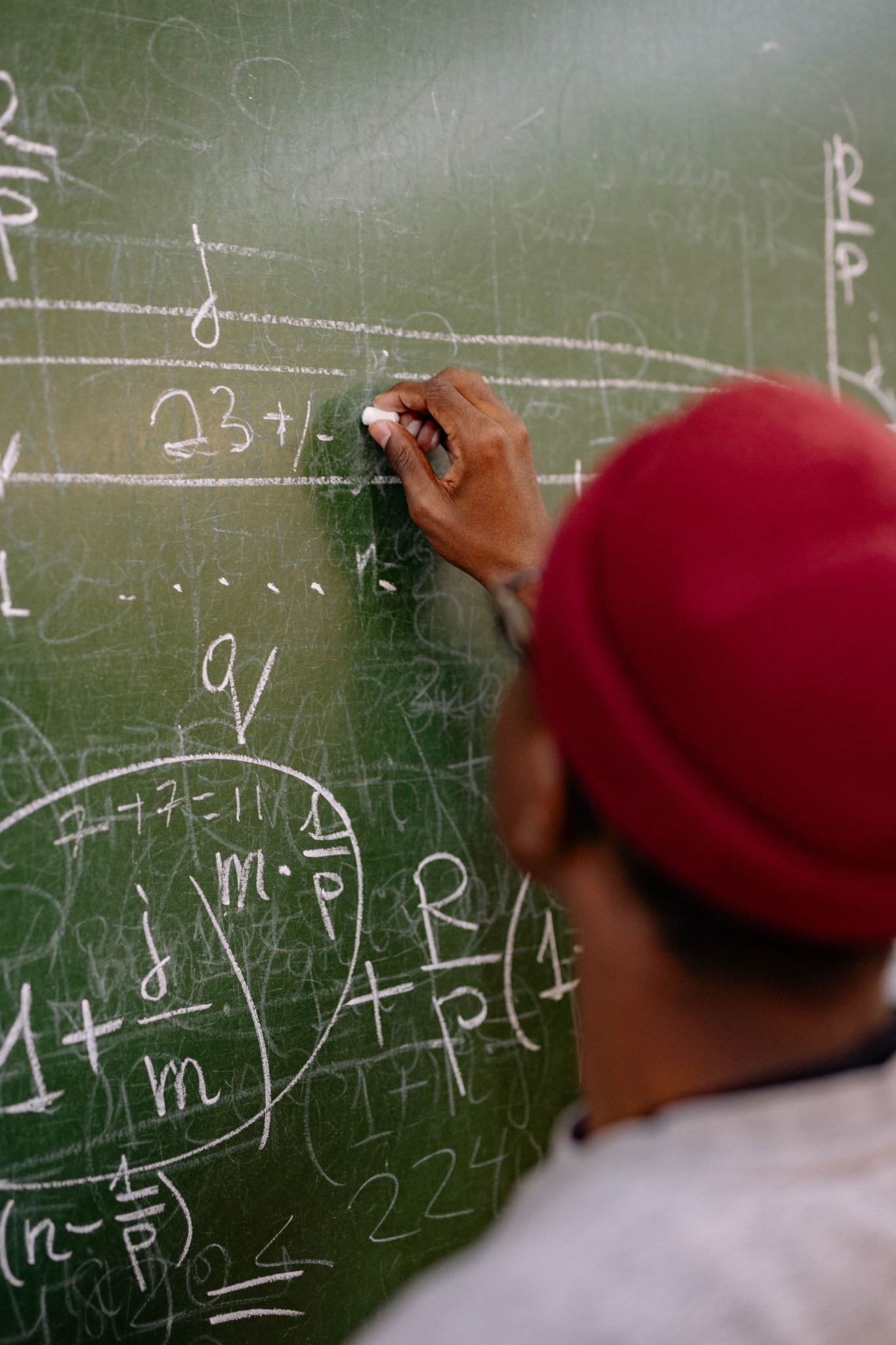
Students rarely struggle with math for only one reason. Sometimes the current lesson is difficult. Sometimes an older skill is missing. Sometimes the student understands the material but cannot apply it independently under test conditions. This guide explains how to think about the problem and what useful support should look like.
Calculus builds on functions, not around them
Students often think calculus is a completely new kind of math. In practice, it depends heavily on earlier function skills. Graphs, algebra, trigonometry, exponentials, and transformations still matter because calculus asks how those functions change.
If a student is struggling with derivatives, the underlying problem may actually be algebraic simplification or weak understanding of the original function.
Rates of change should make sense before rules are memorized
Derivative rules are useful, but students learn more effectively when they first understand the idea of a rate of change and what a derivative represents on a graph.
Once the concept is clear, symbolic rules become tools rather than isolated formulas. That makes application questions easier because the student can interpret what the result means.
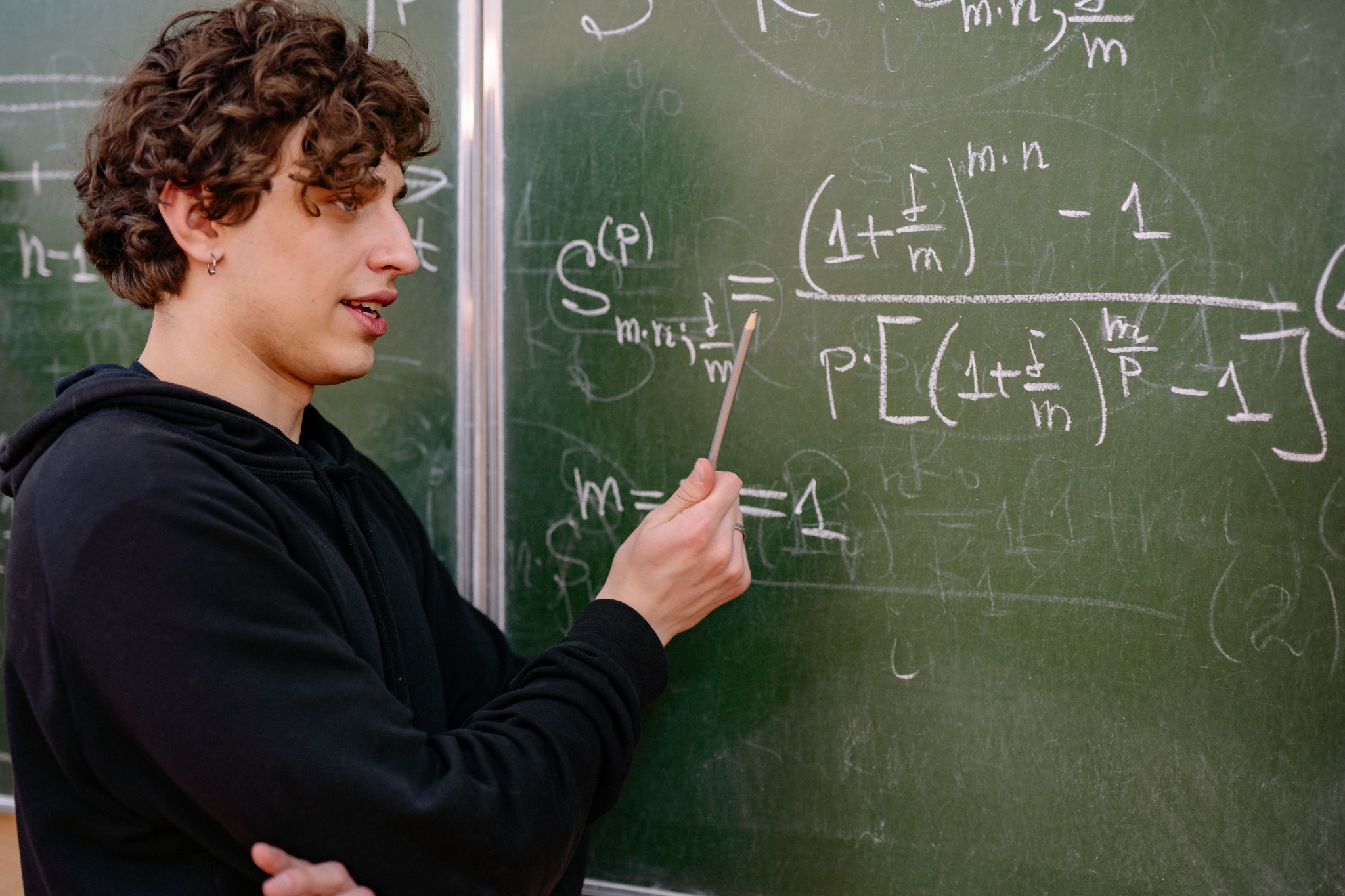
Optimization requires translation
Optimization problems are challenging because the calculus is only one part of the work. Students must translate a real situation into variables, write the correct function, identify restrictions, differentiate, and interpret the final answer.
Tutoring should therefore include word problems where the setup is not obvious. Learning to build the mathematical model is as important as taking the derivative.
Vectors require a different kind of visualization
Vector problems ask students to reason about direction, magnitude, components, lines, and geometric relationships. Students who are comfortable with algebra may still need time to develop the spatial interpretation.
Diagrams, component form, and repeated translation between geometric and algebraic representations can make vectors much more manageable.
University preparation is about independence
Students heading into engineering, computer science, economics, science, or other quantitative programs benefit from learning how to handle unfamiliar problems without immediate help.
Senior tutoring should gradually reduce prompting. The student should explain the approach, attempt the setup, check the result, and learn how to diagnose an error. That independence matters after high school.
Frequently asked questions
Can tutoring help with both calculus and vectors?
Yes. Support can cover derivatives, rates of change, optimization, curve analysis, vector operations, lines, planes, and related course topics.
Is it too late to start tutoring near exams?
No, but the focus changes. Near exams, tutoring should prioritize the highest-impact gaps, cumulative review, and efficient problem-solving strategies.
Can tutoring help prepare for university math?
Yes. The goal can include stronger algebra, better study habits, more independent problem solving, and comfort with unfamiliar questions.
Need help with math?
Get in touch with the student’s grade, current course, and the topics causing difficulty. We can discuss the right next step.
Get in Touch