
Students rarely struggle with math for only one reason. Sometimes the current lesson is difficult. Sometimes an older skill is missing. Sometimes the student understands the material but cannot apply it independently under test conditions. This guide explains how to think about the problem and what useful support should look like.
Homework is taking much longer than it should
A student may understand the lesson in class but take an unusually long time to complete routine homework. That can indicate weak recall, uncertainty about basic steps, or difficulty deciding which method to use.
Long homework sessions can also create frustration that makes the student avoid practice altogether. Targeted support can help identify whether the issue is conceptual, procedural, or simply a lack of confidence.
The same mistakes keep coming back
Everyone makes calculation errors. The more important signal is when the same type of mistake appears repeatedly across assignments and tests. Examples include sign errors, fraction mistakes, incorrect equation steps, or confusion reading graphs.
Repeated errors usually need direct attention. Simply doing more homework may reinforce the mistake if the student never understands why it happens.
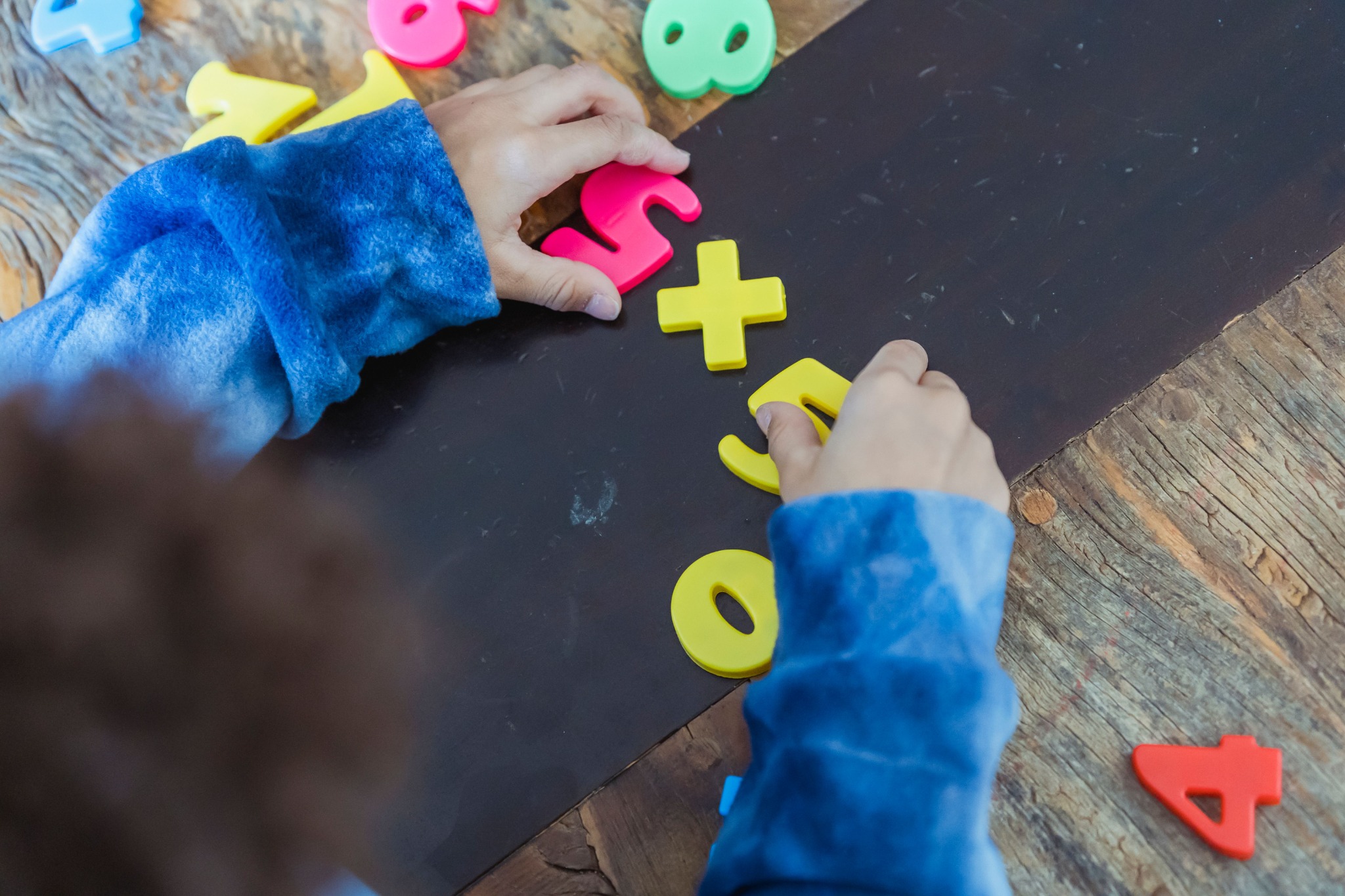
The student understands with help but not alone
Some students can follow every step when a teacher or parent explains it, then feel completely lost when they face a fresh question. This often means the student recognizes a method but has not learned how to select and apply it independently.
Tutoring can help by gradually reducing prompts and asking the student to explain the reasoning out loud.
Confidence is falling faster than the grade
A student does not need to be failing before tutoring is useful. Avoiding math, saying “I am just bad at this,” refusing to participate, or becoming unusually anxious before tests can appear before a major drop in marks.
Early support can make the work feel manageable again and prevent one difficult unit from becoming a broader belief that the student cannot do math.
A harder course is coming next
Tutoring can also be preventative. Students moving into Grade 9, Grade 11 Functions, Advanced Functions, or Calculus may benefit from reviewing the skills that the next course assumes.
A short diagnostic review can identify weak areas while there is still time to strengthen them, rather than discovering them during the first major test.
Frequently asked questions
Does one bad test mean a student needs tutoring?
Not necessarily. Look for patterns across homework, quizzes, tests, confidence, and the amount of help needed.
Can tutoring help with confidence?
Yes, especially when confidence improves because the student can solve problems more independently and understands why the method works.
Is it better to start tutoring before a student is failing?
Often yes. Smaller gaps are usually easier to repair before they affect several later topics.
Need help with math?
Get in touch with the student’s grade, current course, and the topics causing difficulty. We can discuss the right next step.
Get in Touch